<?xml version="1.0" encoding="UTF-8"?>
<?xml-stylesheet href="/rss.css" type="text/css"?>
<rdf:RDF xmlns="http://purl.org/rss/1.0/"
    xmlns:cc="http://web.resource.org/cc/"
    xmlns:dc="http://purl.org/dc/elements/1.1/"
    xmlns:extra="http://www.w3.org/1999/xhtml"
    xmlns:prism="http://prismstandard.org/namespaces/1.2/basic/"
    xmlns:rdf="http://www.w3.org/1999/02/22-rdf-syntax-ns#">
    <channel rdf:about="http://www.hissjournal.com/feeds/latestarticles/journal?quantity=&amp;format=rss&amp;version=">
        <title>Health Information Science and Systems - Latest Articles</title>
        <link>http://www.hissjournal.com</link>
        <description>The latest research articles published by Health Information Science and Systems</description>
        <dc:date>2013-02-04T00:00:00Z</dc:date>
        <items>
            <rdf:Seq>
                                <rdf:li rdf:resource="http://www.hissjournal.com/content/1/1/9" />
                                <rdf:li rdf:resource="http://www.hissjournal.com/content/1/1/8" />
                                <rdf:li rdf:resource="http://www.hissjournal.com/content/1/1/7" />
                                <rdf:li rdf:resource="http://www.hissjournal.com/content/1/1/6" />
                                <rdf:li rdf:resource="http://www.hissjournal.com/content/1/1/5" />
                                <rdf:li rdf:resource="http://www.hissjournal.com/content/1/1/4" />
                                <rdf:li rdf:resource="http://www.hissjournal.com/content/1/1/3" />
                                <rdf:li rdf:resource="http://www.hissjournal.com/content/1/1/2" />
                                <rdf:li rdf:resource="http://www.hissjournal.com/content/1/1/1" />
                            </rdf:Seq>
        </items>
                 <cc:license rdf:resource="http://creativecommons.org/licenses/by/2.0/" />
    </channel>
        <item rdf:about="http://www.hissjournal.com/content/1/1/9">
        <title>Enabling flexible integration of healthcare information using the entity-attribute-value storage model</title>
        <description>Background:
For an optimal care of patients in home healthcare, it is essential to exchange healthcare-related information with other stakeholders. Unfortunately, paper-based documentation procedures as well as the heterogeneity between information systems inhibit a well-regulated communication. Therefore, a digital patient care record is introduced to establish the foundation for integrating healthcare-related information.
Methods:
For the digital patient care record, suitable integration techniques are required that store data in a compact way and offer flexibility as well as robustness. For this purpose, a generic storage structure based on the entity-attribute-value (EAV) model is introduced. This storage structure fulfills the stated requirements and incoming information can be stored directly without any loss of data.Evaluation Results and DiscussionsFirst performance tests regarding the query response time are given in this paper. The tests measured the connection time, the query execution time, and the time for traversing the result set. The time for executing the query is lowest. The time for traversing the results strongly depends on the number of documents. A concept comparison to other integration techniques is also presented.
Conclusions:
This approach offers flexibility concerning different standard types and the evolution in healthcare knowledge and processes. It also allows for highly sparse data to be stored in a compact way. The underlying database structure is presented, the import process for extracting incoming reports is described and the export process for generating new outgoing standardized reports is briefly illustrated.</description>
        <link>http://www.hissjournal.com/content/1/1/9</link>
                <dc:creator>Dortje Löper</dc:creator>
                <dc:creator>Meike Klettke</dc:creator>
                <dc:creator>Ilvio Bruder</dc:creator>
                <dc:creator>Andreas Heuer</dc:creator>
                <dc:source>Health Information Science and Systems 2013, null:9</dc:source>
        <dc:date>2013-02-04T00:00:00Z</dc:date>
        <dc:identifier>doi:10.1186/2047-2501-1-9</dc:identifier>
                                <prism:require>/content/figures/2047-2501-1-9-toc.gif</prism:require>
                <prism:publicationName>Health Information Science and Systems</prism:publicationName>
        <prism:issn>2047-2501</prism:issn>
        <prism:volume>${item.volume}</prism:volume>
        <prism:startingPage>9</prism:startingPage>
        <prism:publicationDate>2013-02-04T00:00:00Z</prism:publicationDate>
                <prism:versionidentifier>XML</prism:versionidentifier>
                <cc:license rdf:resource="http://creativecommons.org/licenses/by/2.0/" />
    </item>
        <item rdf:about="http://www.hissjournal.com/content/1/1/8">
        <title>Improving information retrieval with multiple health terminologies in a quality-controlled gateway</title>
        <description>Background:
The Catalog and Index of French-language Health Internet resources (CISMeF) is a quality-controlled health gateway, primarily for Web resources in French (n=89,751). Recently, we achieved a major improvement in the structure of the catalogue by setting-up multiple terminologies, based on twelve health terminologies available in French, to overcome the potential weakness of the MeSH thesaurus, which is the main and pivotal terminology we use for indexing and retrieval since 1995. The main aim of this study was to estimate the added-value of exploiting several terminologies and their semantic relationships to improve Web resource indexing and retrieval in CISMeF, in order to provide additional health resources which meet the users&#8217; expectations.
Methods:
Twelve terminologies were integrated into the CISMeF information system to set up multiple-terminologies indexing and retrieval. The same sets of thirty queries were run: (i) by exploiting the hierarchical structure of the MeSH, and (ii) by exploiting the additional twelve terminologies and their semantic links. The two search modes were evaluated and compared.
Results:
The overall coverage of the multiple-terminologies search mode was improved by comparison to the coverage of using the MeSH (16,283 vs. 14,159) (+15%). These additional findings were estimated at 56.6% relevant results, 24.7% intermediate results and 18.7% irrelevant.
Conclusion:
The multiple-terminologies approach improved information retrieval. These results suggest that integrating additional health terminologies was able to improve recall. Since performing the study, 21 other terminologies have been added which should enable us to make broader studies in multiple-terminologies information retrieval.</description>
        <link>http://www.hissjournal.com/content/1/1/8</link>
                <dc:creator>Lina Soualmia</dc:creator>
                <dc:creator>Saoussen Sakji</dc:creator>
                <dc:creator>Catherine Letord</dc:creator>
                <dc:creator>Laetitia Rollin</dc:creator>
                <dc:creator>Philippe Massari</dc:creator>
                <dc:creator>Stéfan Darmoni</dc:creator>
                <dc:source>Health Information Science and Systems 2013, null:8</dc:source>
        <dc:date>2013-02-04T00:00:00Z</dc:date>
        <dc:identifier>doi:10.1186/2047-2501-1-8</dc:identifier>
                                <prism:require>/content/figures/2047-2501-1-8-toc.gif</prism:require>
                <prism:publicationName>Health Information Science and Systems</prism:publicationName>
        <prism:issn>2047-2501</prism:issn>
        <prism:volume>${item.volume}</prism:volume>
        <prism:startingPage>8</prism:startingPage>
        <prism:publicationDate>2013-02-04T00:00:00Z</prism:publicationDate>
                <prism:versionidentifier>XML</prism:versionidentifier>
                <cc:license rdf:resource="http://creativecommons.org/licenses/by/2.0/" />
    </item>
        <item rdf:about="http://www.hissjournal.com/content/1/1/7">
        <title>Dynamic integration of biological data sources using the data concierge</title>
        <description>Background:
The ever-changing landscape of large-scale network environments and innovative biology technologies require dynamic mechanisms to rapidly integrate previously unknown bioinformatics sources at runtime. However, existing integration technologies lack sufficient flexibility to adapt to these changes, because the techniques used for integration are static, and sensitive to new or changing bioinformatics source implementations and evolutionary biologist requirements.
Methods:
To address this challenge, in this paper we propose a new semantics-based adaptive middleware, the Data Concierge, which is able to dynamically integrate heterogeneous biological data sources without the need for wrappers. Along with the architecture necessary to facilitate dynamic integration, API description mechanism is proposed to dynamically classify, recognize, locate, and invoke newly added biological data source functionalities. Based on the unified semantic metadata, XML-based state machines are able to provide flexible configurations to execute biologist&apos;s abstract and complex operations.Results and discussionExperimental results demonstrate that for obtaining dynamic features, the Data Concierge sacrifices reasonable performance on reasoning knowledge models and dynamically doing data source API invocations. The overall costs to integrate new biological data sources are significantly lower when using the Data Concierge.
Conclusions:
The Data Concierge facilitates the rapid integration of new biological data sources in existing applications with no repetitive software development required, and hence, this mechanism would provide a cost-effective solution to the labor-intensive software engineering tasks.</description>
        <link>http://www.hissjournal.com/content/1/1/7</link>
                <dc:creator>Peng Gong</dc:creator>
                <dc:source>Health Information Science and Systems 2013, null:7</dc:source>
        <dc:date>2013-02-04T00:00:00Z</dc:date>
        <dc:identifier>doi:10.1186/2047-2501-1-7</dc:identifier>
                                <prism:require>/content/figures/2047-2501-1-7-toc.gif</prism:require>
                <prism:publicationName>Health Information Science and Systems</prism:publicationName>
        <prism:issn>2047-2501</prism:issn>
        <prism:volume>${item.volume}</prism:volume>
        <prism:startingPage>7</prism:startingPage>
        <prism:publicationDate>2013-02-04T00:00:00Z</prism:publicationDate>
                <prism:versionidentifier>XML</prism:versionidentifier>
                <cc:license rdf:resource="http://creativecommons.org/licenses/by/2.0/" />
    </item>
        <item rdf:about="http://www.hissjournal.com/content/1/1/6">
        <title>Bio and health informatics meets cloud : BioVLab as an example</title>
        <description>The exponential increase of genomic data brought by the advent of the next or the third generation sequencing (NGS) technologies and the dramatic drop in sequencing cost have driven biological and medical sciences to data-driven sciences. This revolutionary paradigm shift comes with challenges in terms of data transfer, storage, computation, and analysis of big bio/medical data. Cloud computing is a service model sharing a pool of configurable resources, which is a suitable workbench to address these challenges. From the medical or biological perspective, providing computing power and storage is the most attractive feature of cloud computing in handling the ever increasing biological data. As data increases in size, many research organizations start to experience the lack of computing power, which becomes a major hurdle in achieving research goals. In this paper, we review the features of publically available bio and health cloud systems in terms of graphical user interface, external data integration, security and extensibility of features. We then discuss about issues and limitations of current cloud systems and conclude with suggestion of a biological cloud environment concept, which can be defined as a total workbench environment assembling computational tools and databases for analyzing bio/medical big data in particular application domains.</description>
        <link>http://www.hissjournal.com/content/1/1/6</link>
                <dc:creator>Heejoon Chae</dc:creator>
                <dc:creator>Inuk Jung</dc:creator>
                <dc:creator>Hyungro Lee</dc:creator>
                <dc:creator>Suresh Marru</dc:creator>
                <dc:creator>Seong-Whan Lee</dc:creator>
                <dc:creator>Sun Kim</dc:creator>
                <dc:source>Health Information Science and Systems 2013, null:6</dc:source>
        <dc:date>2013-02-04T00:00:00Z</dc:date>
        <dc:identifier>doi:10.1186/2047-2501-1-6</dc:identifier>
                                <prism:require>/content/figures/2047-2501-1-6-toc.gif</prism:require>
                <prism:publicationName>Health Information Science and Systems</prism:publicationName>
        <prism:issn>2047-2501</prism:issn>
        <prism:volume>${item.volume}</prism:volume>
        <prism:startingPage>6</prism:startingPage>
        <prism:publicationDate>2013-02-04T00:00:00Z</prism:publicationDate>
                <prism:versionidentifier>XML</prism:versionidentifier>
                <cc:license rdf:resource="http://creativecommons.org/licenses/by/2.0/" />
    </item>
        <item rdf:about="http://www.hissjournal.com/content/1/1/5">
        <title>Segmentation of ultrasound images of thyroid
nodule for assisting fine needle aspiration
cytology</title>
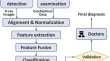
        <description>The incidence of thyroid nodule is very high and generally increases with the age. Thyroid nodule may presage the emergence of thyroid cancer. Most thyroid nodules are asymptomatic which makes thyroid cancer different from other cancers. The thyroid nodule can be completely cured if detected early. Therefore, it is necessary to correctly classify the thyroid nodule to be benign or malignant. Fine needle aspiration cytology is a recognized early diagnosis method of thyroid nodule. There are still some limitations in the fine needle aspiration cytology, such as the difficulty in location and the insufficient cytology specimen. The accuracy of ultrasound diagnosis of thyroid nodule improves constantly, and it has become the first choice for auxiliary examination of thyroid nodular disease. If we could combine medical imaging technology and fine needle aspiration cytology, the diagnostic rate of thyroid nodule would be improved significantly.The properties of ultrasound, such as echo, shadow, and reflection, will degrade the image quality, which makes it difficult to recognize the edges for physicians. Image segmentation technique based on graph theory has become a research hotspot at present. Normalized cut (Ncut) is a representative one, whose biggest advantage is not prone to small region segmentation but suitable for segmentation of feature parts of medical image. However, how to solve the normalized cut has become a problem, which needs large memory capacity and heavy calculation of weight matrix. It always generates over segmentation or less segmentation which leads to inaccurate in the segmentation.The speckle noise produced in the formation process of B ultrasound image of thyroid tumor makes the quality of the image deteriorate. In the light of this characteristic, we combine the anisotropic diffusion model with the normalized cut in this paper. After the enhancement of anisotropic diffusion model, it removes the noise in the B ultrasound image while preserves the important edges and local details. This reduces the amount of computation in constructing the weight matrix of the improved normalized cut and improves the accuracy of the final segmentation results. The feasibility of the method is proved by the experimental results.</description>
        <link>http://www.hissjournal.com/content/1/1/5</link>
                <dc:creator>Jie Zhao</dc:creator>
                <dc:creator>Wei Zheng</dc:creator>
                <dc:creator>Li Zhang</dc:creator>
                <dc:creator>Hua Tian</dc:creator>
                <dc:source>Health Information Science and Systems 2013, null:5</dc:source>
        <dc:date>2013-01-10T00:00:00Z</dc:date>
        <dc:identifier>doi:10.1186/2047-2501-1-5</dc:identifier>
                                <prism:require>/content/figures/2047-2501-1-5-toc.gif</prism:require>
                <prism:publicationName>Health Information Science and Systems</prism:publicationName>
        <prism:issn>2047-2501</prism:issn>
        <prism:volume>${item.volume}</prism:volume>
        <prism:startingPage>5</prism:startingPage>
        <prism:publicationDate>2013-01-10T00:00:00Z</prism:publicationDate>
                <prism:versionidentifier>XML</prism:versionidentifier>
                <cc:license rdf:resource="http://creativecommons.org/licenses/by/2.0/" />
    </item>
        <item rdf:about="http://www.hissjournal.com/content/1/1/4">
        <title>iPathCaseKEGG: An iPad interface for KEGG
metabolic pathways</title>
        <description>Background:
Kyoto Encyclopedia of Genes and Genomes (KEGG) is an online and integrated molecular database for several organisms. KEGG has been a highly useful site, helping domain scientists understand, research, study, and teach metabolisms by linking sequenced genomes to higher level systematic functions. KEGG databases are accessible through the web pages of the system, but the capabilities of the web interface are limited. Third party systems have been built over the KEGG data to provide extensive functionalities. However, there have been no attempts towards providing a tablet interface for KEGG data. Recognizing the rise of mobile technologies and the importance of tablets in education, this paper presents the design and implementation of iPathCaseKEGG, an iPad interface for KEGG data, which is empowered with multiple browsing and visualization capabilities.
Results:
iPathCaseKEGG has been implemented and is available, free of charge, in the Apple App Store (locatable by searching for &#8220;Pathcase&#8221; in the app store). The application provides browsing and interactive visualization functionalities on the KEGG data. Users can pick pathways, visualize them, and see detail pages of reactions and molecules using the multi-touch interface of iPad.
Conclusions:
iPathCaseKEGG provides a mobile interface to access KEGG data. Interactive visualization and browsing functionalities let users to interact with the data in multiple ways. As the importance of tablets and their usage in research education continue to rise, we think iPathCaseKEGG will be a useful tool for life science instructors and researchers.</description>
        <link>http://www.hissjournal.com/content/1/1/4</link>
                <dc:creator>Stephen Johnson</dc:creator>
                <dc:creator>Xinjian Qi</dc:creator>
                <dc:creator>A. Ercument Cicek</dc:creator>
                <dc:creator>Gultekin Ozsoyoglu</dc:creator>
                <dc:source>Health Information Science and Systems 2013, null:4</dc:source>
        <dc:date>2013-01-10T00:00:00Z</dc:date>
        <dc:identifier>doi:10.1186/2047-2501-1-4</dc:identifier>
                                <prism:require>/content/figures/2047-2501-1-4-toc.gif</prism:require>
                <prism:publicationName>Health Information Science and Systems</prism:publicationName>
        <prism:issn>2047-2501</prism:issn>
        <prism:volume>${item.volume}</prism:volume>
        <prism:startingPage>4</prism:startingPage>
        <prism:publicationDate>2013-01-10T00:00:00Z</prism:publicationDate>
                <prism:versionidentifier>XML</prism:versionidentifier>
                <cc:license rdf:resource="http://creativecommons.org/licenses/by/2.0/" />
    </item>
        <item rdf:about="http://www.hissjournal.com/content/1/1/3">
        <title>A patient-centric distribution architecture for
medical image sharing</title>
        <description>Over the past decade, rapid development of imaging technologies has resulted in the introduction of improved imaging devices, such as multi-modality scanners that produce combined positron emission tomography-computed tomography (PET-CT) images. The adoption of picture archiving and communication systems (PACS) in hospitals have dramatically improved the ability to digitally share medical image studies via portable storage, mobile devices and the Internet. This has in turn led to increased productivity, greater flexibility, and improved communication between hospital staff, referring physicians, and outpatients. However, many of these sharing and viewing capabilities are limited to proprietary vendor-specific applications. Furthermore, there are still interoperability and deployment issues which reduce the rate of adoption of such technologies, thus leaving many stakeholders, particularly outpatients and referring physicians, with access to only traditional still images with no ability to view or interpret the data in full. In this paper, we present a distribution architecture for medical image display across numerous devices and media, which uses a preprocessor and an in-built networking framework to improve compatibility and promote greater accessibility of medical data. Our INVOLVE2 system consists of three main software modules: 1) a preprocessor, which collates and converts imaging studies into a compressed and distributable format; 2) a PACS-compatible workflow for self-managing distribution of medical data, e.g. via CD USB, network etc; 3) support for potential mobile and web-based data access. The focus of this study was on cultivating patient-centric care, by allowing outpatient users to comfortably access and interpret their own data. As such, the image viewing software included on our cross-platform CDs was designed with a simple and intuitive user-interface (UI) for use by outpatients and referring physicians. Furthermore, digital image access via mobile devices or web-based access enables users to engage with their data in a convenient and user-friendly way. We evaluated the INVOLVE2 system using a pilot deployment in a hospital environment.</description>
        <link>http://www.hissjournal.com/content/1/1/3</link>
                <dc:creator>Liviu Constantinescu</dc:creator>
                <dc:creator>Jinman Kim</dc:creator>
                <dc:creator>Ashnil Kumar</dc:creator>
                <dc:creator>Daiki Haraguchi</dc:creator>
                <dc:creator>Lingfeng Wen</dc:creator>
                <dc:creator>Dagan Feng</dc:creator>
                <dc:source>Health Information Science and Systems 2013, null:3</dc:source>
        <dc:date>2013-01-10T00:00:00Z</dc:date>
        <dc:identifier>doi:10.1186/2047-2501-1-3</dc:identifier>
                                <prism:require>/content/figures/2047-2501-1-3-toc.gif</prism:require>
                <prism:publicationName>Health Information Science and Systems</prism:publicationName>
        <prism:issn>2047-2501</prism:issn>
        <prism:volume>${item.volume}</prism:volume>
        <prism:startingPage>3</prism:startingPage>
        <prism:publicationDate>2013-01-10T00:00:00Z</prism:publicationDate>
                <prism:versionidentifier>XML</prism:versionidentifier>
                <cc:license rdf:resource="http://creativecommons.org/licenses/by/2.0/" />
    </item>
        <item rdf:about="http://www.hissjournal.com/content/1/1/2">
        <title>How bioinformatics influences health informatics: usage of biomolecular sequences, expression profiles and automated microscopic image analyses for clinical needs and public health</title>
        <description>The currently hyped expectation of personalized medicine is often associated with just achieving the information technology led integration of biomolecular sequencing, expression and histopathological bioimaging data with clinical records at the individual patients&#8217; level as if the significant biomedical conclusions would be its more or less mandatory result. It remains a sad fact that many, if not most biomolecular mechanisms that translate the human genomic information into phenotypes are not known and, thus, most of the molecular and cellular data cannot be interpreted in terms of biomedically relevant conclusions. Whereas the historical trend will certainly be into the general direction of personalized diagnostics and cures, the temperate view suggests that biomedical applications that rely either on the comparison of biomolecular sequences and/or on the already known biomolecular mechanisms have much greater chances to enter clinical practice soon. In addition to considering the general trends, we exemplarily review advances in the area of cancer biomarker discovery, in the clinically relevant characterization of patient-specific viral and bacterial pathogens (with emphasis on drug selection for influenza and enterohemorrhagic E. coli) as well as progress in the automated assessment of histopathological images. As molecular and cellular data analysis will become instrumental for achieving desirable clinical outcomes, the role of bioinformatics and computational biology approaches will dramatically grow.Author summaryWith DNA sequencing and computers becoming increasingly cheap and accessible to the layman, the idea of integrating biomolecular and clinical patient data seems to become a realistic, short-term option that will lead to patient-specific diagnostics and treatment design for many diseases such as cancer, metabolic disorders, inherited conditions, etc. These hyped expectations will fail since many, if not most biomolecular mechanisms that translate the human genomic information into phenotypes are not known yet and, thus, most of the molecular and cellular data collected will not lead to biomedically relevant conclusions. At the same time, less spectacular biomedical applications based on biomolecular sequence comparison and/or known biomolecular mechanisms have the potential to unfold enormous potential for healthcare and public health. Since the analysis of heterogeneous biomolecular data in context with clinical data will be increasingly critical, the role of bioinformatics and computational biology will grow correspondingly in this process.</description>
        <link>http://www.hissjournal.com/content/1/1/2</link>
                <dc:creator>Vladimir Kuznetsov</dc:creator>
                <dc:creator>Hwee Lee</dc:creator>
                <dc:creator>Sebastian Maurer-Stroh</dc:creator>
                <dc:creator>Maria Molnár</dc:creator>
                <dc:creator>Sandor Pongor</dc:creator>
                <dc:creator>Birgit Eisenhaber</dc:creator>
                <dc:creator>Frank Eisenhaber</dc:creator>
                <dc:source>Health Information Science and Systems 2013, null:2</dc:source>
        <dc:date>2013-01-10T00:00:00Z</dc:date>
        <dc:identifier>doi:10.1186/2047-2501-1-2</dc:identifier>
                            <dc:title>From genome to personalized treatments</dc:title>
                            <dc:description>&lt;p&gt;State-of-the-art techniques may address the problem of translating the human genomic information&lt;br /&gt;into phenotypes for personalized treatment through life science research, genomic sequencing and information technology.&lt;/p&gt;</dc:description>
                <prism:require>/content/figures/2047-2501-1-2-toc.gif</prism:require>
                <prism:publicationName>Health Information Science and Systems</prism:publicationName>
        <prism:issn>2047-2501</prism:issn>
        <prism:volume>${item.volume}</prism:volume>
        <prism:startingPage>2</prism:startingPage>
        <prism:publicationDate>2013-01-10T00:00:00Z</prism:publicationDate>
                <prism:versionidentifier>XML</prism:versionidentifier>
                <cc:license rdf:resource="http://creativecommons.org/licenses/by/2.0/" />
    </item>
        <item rdf:about="http://www.hissjournal.com/content/1/1/1">
        <title>Welcome to Health Information Science
and Systems</title>
        <description>Health Information Science and Systems is an exciting, new, multidisciplinary journal that aims to use technologies in computer science to assist in disease diagnoses, treatment, prediction and monitoring through the modeling, design, development, visualization, integration and management of health related information. These computer-science technologies include such as information systems, web technologies, data mining, image processing, user interaction and interface, sensors and wireless networking and are applicable to a wide range of health related information including medical data, biomedical data, bioinformatics data, public health data.</description>
        <link>http://www.hissjournal.com/content/1/1/1</link>
                <dc:creator>Yanchun Zhang</dc:creator>
                <dc:source>Health Information Science and Systems 2013, null:1</dc:source>
        <dc:date>2013-01-10T00:00:00Z</dc:date>
        <dc:identifier>doi:10.1186/2047-2501-1-1</dc:identifier>
                                <prism:require>/content/figures/2047-2501-1-1-toc.gif</prism:require>
                <prism:publicationName>Health Information Science and Systems</prism:publicationName>
        <prism:issn>2047-2501</prism:issn>
        <prism:volume>${item.volume}</prism:volume>
        <prism:startingPage>1</prism:startingPage>
        <prism:publicationDate>2013-01-10T00:00:00Z</prism:publicationDate>
                <prism:versionidentifier>XML</prism:versionidentifier>
                <cc:license rdf:resource="http://creativecommons.org/licenses/by/2.0/" />
    </item>
        <cc:License rdf:about="http://creativecommons.org/licenses/by/2.0/">
        <cc:permits rdf:resource="http://creativecommons.org/ns#Reproduction" />
        <cc:permits rdf:resource="http://creativecommons.org/ns#Distribution" />
        <cc:permits rdf:resource="http://creativecommons.org/ns#DerivativeWorks" />
    </cc:License>
</rdf:RDF>